
Understanding the Role of Advanced Filtration
In the automotive and industrial vehicle sector, filtration plays a critical role in maintaining performance, efficiency, and durability. Heavy-duty vehicles and machinery operate in environments filled with dust, heat, metal particles, and moisture, all of which can harm internal systems. Filters are designed to trap these contaminants before they reach sensitive components such as engines, hydraulic systems, and fuel injectors. Without effective filtration, wear increases rapidly, fuel efficiency drops, and unexpected breakdowns become more frequent. For automotive operations that rely on uptime and reliability, proper filtration is not a luxury but a necessity that protects both equipment and investment.
Why Filtration Matters for Heavy Machinery
In large-scale automotive operations, the demands placed on machinery are extreme, requiring components that can withstand constant stress. At the heart of this protection are heavy equipment filters, which are engineered to handle higher flow rates and harsher conditions than standard automotive filters. These filters ensure that air, oil, fuel, and hydraulic fluids remain clean even during prolonged operation. By reducing internal friction and preventing abrasive particles from circulating, they help engines run smoother and cooler. This directly impacts performance, extending service intervals and reducing overall maintenance costs for fleet owners and operators.
Types of Filters Used in Automotive Equipment
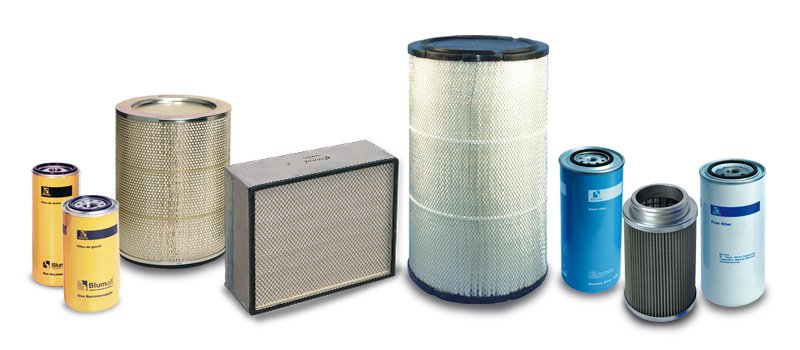
Automotive heavy machinery relies on several specialized filters, each serving a distinct purpose. Air filters protect engines from dust and debris common on construction sites and unpaved roads. Oil filters remove metal shavings and carbon deposits that form during combustion. Fuel filters ensure clean fuel delivery, preventing injector clogging and uneven engine performance. Hydraulic filters are equally important, as they protect pumps and valves from contamination that could cause system failure. Together, these filtration systems work as a coordinated defense, keeping complex automotive equipment running efficiently under pressure.
Impact on Engine Life and Operating Efficiency
Consistent use of high-quality filters has a direct effect on engine longevity and operational efficiency. Clean fluids reduce internal wear, allowing engines to maintain optimal compression and power output over time. This translates into lower fuel consumption and fewer emissions, an important consideration in modern automotive standards. Equipment that is properly filtered also experiences fewer overheating issues and smoother operation, even during long work cycles. For businesses, this reliability means predictable performance, better scheduling, and reduced downtime, all of which contribute to improved productivity.
Choosing the Right Filters for Automotive Applications
Selecting the correct filters for heavy automotive equipment requires understanding operating conditions, manufacturer specifications, and service intervals. Not all filters are created equal, and using substandard options can compromise performance. Quality materials, proper fit, and proven filtration efficiency should guide purchasing decisions. Regular inspection and timely replacement are equally important to ensure continued protection. By prioritizing the right filtration solutions, automotive professionals can safeguard their equipment, maintain consistent performance, and support long-term operational success in demanding environments.