
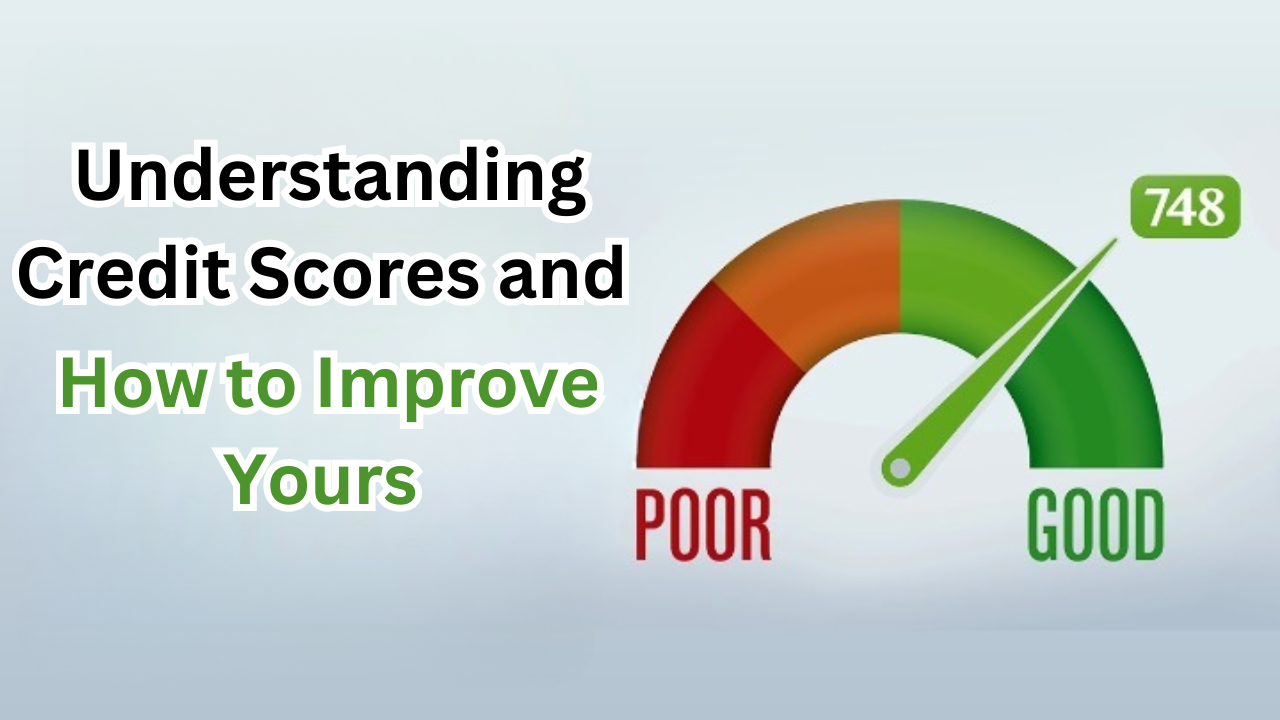
One of your most crucial financial tools is your credit score. It has an impact on your ability to obtain loans favorable interest rates and even employment prospects. However a lot of people are unaware of the full definition of a credit score how it is determined and how to raise it. Well explore the topic of credit scores in this blog and offer helpful advice on raising yours.
What Is a Credit Score?
Your creditworthiness is represented numerically by your credit score. Lenders use it to determine the risk of lending you money and is based on your credit history. Lenders may view a lower score as a sign of increased risk whereas a higher score suggests that you are more likely to return borrowed funds on schedule.
Credit scores typically range from 300 to 850, with a higher number being better. In general:
- 300–579: Poor
- 580–669: Fair
- 670–739: Good
- 740–799: Very Good
- 800–850: Excellent
The lender and the kind of loan you’re applying for will determine the precise score that qualifies as “good credit”. However, your chances of obtaining advantageous terms for credit and loans increase with your score.
How Is Your Credit Score Calculated?
Credit scores are determined by many factors each of which has a unique impact on your final score. The FICO score is the most widely used model for determining credit scores and it takes into account the following five variables:
- Payment History (35%):
The biggest determinant of your credit score is your payment history. It examines your timely payments for loans mortgages and credit card bills. Bankruptcies defaults and late payments can all seriously lower your credit score. - Credit Utilization (30%):
The ratio of your credit card balances to credit limits is known as credit utilization. Maintaining a credit utilization below 30 percent is crucial for demonstrating that you are not taking on more debt than you can handle. - Length of Credit History (15%):
Your credit history should be as long as possible. Borrowers with a track record of responsibly managing credit are preferred by lenders. More information about your credit management over time can be found in a longer credit history. - Types of Credit (10%):
Having a variety of credit accounts including mortgages auto loans and credit cards can raise your credit score. Your ability to responsibly handle various forms of credit is demonstrated. - Recent Credit Inquiries (10%):
A hard inquiry is made each time you apply for credit which may momentarily lower your score. Lenders may be concerned if you make several inquiries in a short period because it may indicate that you are applying for a lot of credit.
Steps to Improve Your Credit Score:
It takes patience and time to raise your credit score but with the correct tactics, it is achievable. These pointers will help you improve your score:
Check Your Credit Report for Errors:
Making sure your credit report is error-free is one of the first steps to raising your credit score. Your score may be lowered by errors on your credit report such as duplicate accounts or inaccurate payment histories. Every year at AnnualCreditReport.com you can obtain a complimentary copy of your credit report from each of the three main credit bureaus: Equifax Experian and TransUnion. To have any mistakes fixed dispute them with the credit bureau.
Pay Your Bills on Time:
The most significant determinant of your credit score is your payment history. Timely bill payment demonstrates to lenders your responsibility for maintaining credit. To make sure you never forget a payment set up automatic payments or reminders. Consistency is crucial because even one late payment can lower your credit score.
Reduce Your Credit Utilization:
The second most crucial element affecting your credit score is credit utilization. Aim to maintain your credit utilization below 30% in order to raise your score. This can be accomplished by requesting an increase in your credit limit or by paying off current balances. Don’t however spend more money simply because you have more credit available.
Diversify Your Credit Mix:
Your score can be raised by having a range of credit accounts including installment loans personal loans and credit cards. But avoid opening new accounts needlessly as this may result in hard inquiries that momentarily reduce your score. Be wise and only apply for new credit when it makes sense if you’re considering doing so.
Avoid Opening Too Many New Accounts:
Your credit score can be negatively impacted by opening several new credit accounts quickly. Your score is marginally reduced for each hard inquiry and several inquiries in a short amount of time could indicate that you are having financial difficulties. Spreading out your credit applications and opening new accounts only when necessary is preferable.
The Importance of Patience in Improving Your Credit Score:
There are no short cuts when it comes to raising your credit score. Even though your score might not change right away the little adjustments you make today will add up over time. Progress will be evident if you are persistent and patient. Your credit score may not change significantly for months or even years but the effort is worthwhile.
Conclusion:
Understanding your credit score is essential for managing your financial life. Your score influences everything from loan approvals to interest rates, and even your ability to rent an apartment or get a job. By regularly checking your credit report, making timely payments, reducing credit card balances, and diversifying your credit mix, you can steadily improve your credit score. While it may take time, the effort will pay off, making it easier to secure credit on favorable terms when you need it most.